
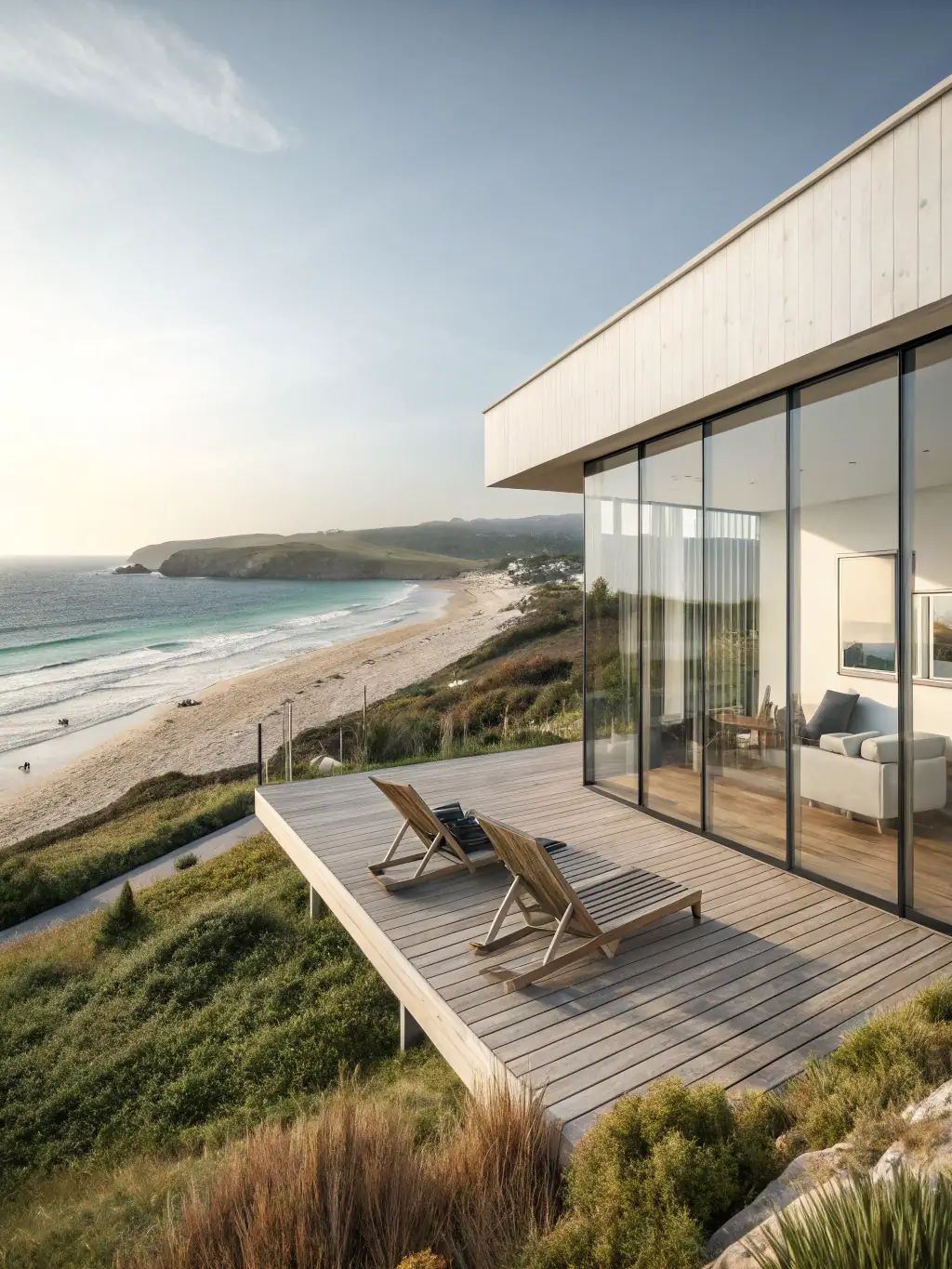
There is something lasting about homes built beside water, and it is not only the view. Rivers, lakes and marinas change how a place feels at ground level: light shifts, outdoor space gets used more, and even ordinary routines seem to slow a little. In British towns where new building can often feel repetitive, waterside schemes still stand apart.
What stands out in 2026 is how this appeal has moved from aspiration to a design discussion. Buyers, planners and architects are paying closer attention to how homes meet their setting. A good waterside property now suggests more than status. It points to better insulation, a stronger link between indoors and outdoors, and layouts that make the most of changing weather instead of ignoring it.
More than a pretty outlook
That helps explain why interest in luxury waterfront homes remains steady online. People are not just searching for grand houses with private moorings. They are often looking for examples of a broader idea done well. The best developments show how waterside living can combine practical comfort with calm, low-key elegance, which is a far cry from flashy property marketing.
- Natural light is often better and changes more across the day.
- Outdoor areas can feel private without seeming cut off.
- Good waterside design brings people closer to the surrounding landscape and the seasons.
Of course, the setting alone is never enough. Poorly planned schemes can feel exposed, windy or oddly disconnected from the water beside them. But when the architecture is thoughtful, the attraction makes sense. In a culture that increasingly values quiet, space and a bit of breathing room, waterside homes still represent something many people feel is missing from everyday life: not extravagance, exactly, but a more considered way of living.
Featured image credit: AI generated.